Arteries and veins rarely ask for attention until they fail. As a vascular medicine specialist, I spend as much time preventing emergencies as I do treating them. I’ve stood at the bedside of a patient with sudden limb ischemia where minutes mattered, and I’ve also watched a simple walking program turn a would‑be bypass candidate into someone who can stroll a mile without stopping. The goal of this checklist is to help you recognize what matters, what can be changed, and when to call a vascular doctor before a small issue becomes a crisis.
Why vascular health is different from “general heart health”
Cardiology tends to own the headlines, yet your peripheral circulation tells an equally important story. Arteries deliver oxygen to every organ and limb. Veins return blood to the heart against gravity, with valves acting like one‑way gates. Lymphatics quietly manage fluid balance and immune surveillance. When any part falters, symptoms can be subtle at first, then dramatic. A cramp in the calf when you walk could be claudication, a marker of peripheral artery disease. Heavy, achy legs with ankle swelling by evening may signal venous insufficiency. A tender, red cord in the thigh might be a superficial clot, and sudden leg swelling can be a deep vein thrombosis. An aneurysm rarely hurts until it ruptures.
Vascular care bridges prevention and procedure. On any given day I might prescribe statins and walking therapy, perform a Doppler ultrasound in clinic, and then change into lead to assist as an endovascular surgeon with angioplasty and stent placement. The best outcomes usually start with fundamentals you can control and timely evaluation by a vascular specialist when red flags appear.
A practical daily checklist you can actually follow
I ask patients to treat their arteries and veins like cherished equipment: maintain them consistently, inspect for wear, and service them on schedule. Consider this your everyday framework.
Wake, move, hydrate, repeat. Get your legs pumping within an hour of waking. Calf muscle action is the single best venous return boost outside of compression stockings. Aim to accumulate at least 150 minutes a week of moderate aerobic activity such as brisk walking, and two sessions of light resistance work that involve the calves and thighs. If you sit for work, stand up every 45 to 60 minutes and do 30 seconds of heel raises. If you stand for work, shift weight, take micro‑walks, and elevate your feet during breaks.
Choose foods that lower inflammation and improve endothelial function. Prioritize vegetables, fruit, legumes, whole grains, nuts, seeds, and olive oil. Include fish that provide omega‑3s two or more times a week. Keep processed meats for rare occasions. Patients often ask about “perfect numbers.” A practical target is to keep sodium under 2 grams a day, fiber above 25 grams, and added sugar minimal. For those with diabetes or prediabetes, consistent carbohydrate timing beats fad diets.
Respect tobacco as an arterial toxin. Every vascular and endovascular surgeon has stories of claudication turning into tissue loss in smokers years earlier than expected. Nicotine replacement, varenicline, and bupropion help when combined with coaching. I’ve seen success when patients stack supports: a set quit date, a prescription, and weekly check‑ins for the first month.
Keep blood pressure and lipids in check. Atherosclerosis accelerates quietly when systolic blood pressure sits in the 140s and LDL cholesterol floats above recommended ranges. If lifestyle changes do not reach targets, medications like ACE inhibitors, ARBs, and statins are not punishment, they are protective tools. For very high risk patients, PCSK9 inhibitors can drive LDL far lower. Your PAD doctor or atherosclerosis specialist can tailor thresholds when peripheral disease is present.
Value sleep as vascular therapy. Untreated sleep apnea contributes to hypertension, atrial fibrillation, and vascular inflammation. Loud snoring, witnessed pauses in breathing, morning headaches, and daytime sleepiness deserve a sleep study. Treating apnea frequently lowers blood pressure and improves endothelial health within weeks.
Early signs that deserve a vascular evaluation
A primary care clinician picks up many issues early, but certain patterns benefit from a targeted workup by a vascular medicine specialist or vascular surgeon. Ignore them and you might lose crucial time.
Calf or thigh pain with walking that stops at rest. Classic claudication typically appears at a predictable distance, often worse on hills or stairs. If you find yourself leaning on a shopping cart, not because of back pain but to keep walking without stopping, it is time to see a circulation doctor. An ankle‑brachial index in the clinic can confirm or rule out PAD in minutes.
Leg swelling that worsens through the day, with skin itch or varicose veins. Venous insufficiency often shows up as evening heaviness and ankle swelling that goes down overnight. Look for brownish discoloration near the shins, clusters of spider veins, or a rash that keeps returning. A venous duplex ultrasound by a vascular ultrasound specialist pinpoints valve failure and reflux.
Sudden unilateral leg swelling, pain, or warmth after travel, surgery, or immobilization. A deep vein thrombosis can be silent or dramatic. New shortness of breath or chest discomfort along with leg symptoms is a red flag for pulmonary embolism. This is not a wait‑and‑see scenario. A DVT specialist or blood clot doctor will confirm with ultrasound and begin anticoagulation.
Bulging, tender, or pulsatile masses. A pulsatile abdominal sensation may signal an aortic aneurysm. A new, painful swelling behind the knee could be a popliteal aneurysm. Men over 65 who have smoked should have at least one screening ultrasound for abdominal aortic aneurysm. Family history warrants earlier evaluation by an aneurysm specialist.
Neurologic symptoms that resolve quickly. A transient loss of vision in one eye, facial droop, slurred speech, or weakness on one side can be a transient ischemic attack. Carotid artery disease is a common culprit. A carotid surgeon may recommend carotid endarterectomy or stenting after imaging to prevent a disabling stroke.
How specialists think: arteries versus veins
Arterial disease narrows or blocks flow. It tends to cause exertional symptoms first, then rest pain or tissue loss as disease progresses. The workup focuses on pressure differences, perfusion measurement, and imaging arteries with Doppler, CT angiography, or MR angiography. Treatment spans risk‑factor control, supervised exercise therapy, antiplatelet and lipid‑lowering medications, and when needed, interventions like angioplasty, stent placement, or bypass surgery performed by a vascular and endovascular surgeon.
Venous disease involves pressure and pooling. Symptoms often worsen late in the day and improve with elevation. Diagnosis depends on duplex ultrasound to map reflux and clots. Treatment ranges from compression and calf‑muscle conditioning to office‑based vein ablation, sclerotherapy, and phlebectomy by a vein specialist. When deep venous obstruction exists, iliofemoral stenting can restore outflow. For acute extensive clots, a thrombectomy specialist may consider catheter‑directed therapies.
Edge cases happen. Some patients have arterial and venous problems at once. Diabetes and kidney disease change how wounds behave and how vessels calcify. A diabetic foot specialist who is comfortable with both wound care and revascularization strategy makes a difference in limb salvage. The judgment here is pragmatic: fix the flow first, then offload pressure and control infection.
The five‑minute self‑exam I teach in clinic
- Check pulses lightly at the top of the feet and behind the inner ankles. If you cannot feel them, it does not prove disease, but note asymmetry. Inspect skin color and temperature side to side. A cool, pale foot or a dusky toe compared with the other side should prompt a call. Look for varicose veins, ankle swelling, or new brownish patches around the shins. Press a finger above the ankle bone for two seconds. If a pit remains, that is edema. Examine between the toes and the soles, especially if you have diabetes. Small cracks become large problems when circulation is marginal. Walk a set distance three times a week and jot down whether calf pain starts at a predictable block count. That pattern helps your vascular doctor decide next steps.
This quick routine captures changes early. Bring notes or photos to appointments. I would rather see a patient two months earlier for a false alarm than two days late with a wound that now needs a leg bypass surgeon.
What to expect from a visit with a vascular specialist
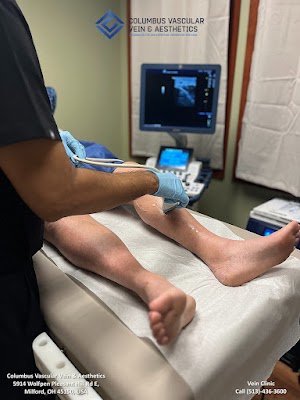
The first appointment runs longer than a quick check‑up. We review your risk profile, medications, and goals in detail. A Doppler specialist will likely perform duplex ultrasound cvva.care Milford vascular surgeon the same day, because real‑time blood flow information often changes the plan. For suspected PAD, I like to start with an ankle‑brachial index at rest and after a short walk on a treadmill. If numbers drop with exercise, that clinches the diagnosis even when rest values look borderline.
When venous insufficiency is suspected, the tech maps reflux from groin to calf while you are standing. A good venous study is a dance between patient, sonographer, and gravity. We mark the skin in clinic for guidance if we anticipate a vein ablation later. For aneurysms or mesenteric ischemia, cross‑sectional imaging may follow. Complex conditions such as thoracic outlet syndrome or vascular compression syndromes sometimes require targeted positional tests and collaboration with a vascular radiologist.
Treatment plans vary. A vascular health specialist may recommend supervised exercise therapy for PAD, which has durable benefits and competes well with stent outcomes for claudication. For those who fail exercise and optimized medical therapy, an interventional vascular surgeon may perform angioplasty with or without vascular stenting. In-stent restenosis and long calcified segments require more judgment, and occasionally a vascular bypass surgeon provides the most durable fix, especially for younger patients with long lesions.
Venous disease spans from cosmetic to limb‑threatening. A vein doctor might treat spider veins with sclerotherapy in the office, and varicose trunks with catheter‑based thermal ablation. Deep venous thrombosis at the iliofemoral level sometimes benefits from clot removal, especially when symptoms are severe and the clot is fresh. The aim is to prevent post‑thrombotic syndrome. Each step depends on timing, clot extent, bleeding risk, and your preferences.
Medications that matter and how we decide
Antiplatelet therapy, typically aspirin, is standard for most with PAD. In select high‑risk patients, especially after lower‑extremity revascularization, a low dose of rivaroxaban combined with aspirin reduces cardiovascular and limb events. It comes with a bleeding trade‑off, so we weigh risk carefully. Statins are the workhorse of arterial protection. If LDL stays high despite maximal statins, adding ezetimibe or a PCSK9 inhibitor is reasonable. Blood pressure goals often tighten when established arterial disease is present. ACE inhibitors and ARBs offer vascular benefits beyond pressure reduction.
For venous thromboembolism, direct oral anticoagulants have simplified management for many. Duration depends on whether the clot was provoked by a transient risk like surgery or unprovoked with ongoing risk. Some patients remain on a lower maintenance dose long term, particularly if they carry thrombophilia or have recurrent events. Elastic compression stockings do not prevent clots, but they do reduce symptoms during recovery and can lower the risk of post‑thrombotic syndrome.
Patients routinely ask about supplements. The evidence for isolated supplements is thin compared with clear benefits from diet quality, exercise, and medical therapy. Horse chestnut extract has limited supportive data for venous symptoms, but varicosities respond far better to compression and ablation when indicated. Always disclose supplements, as some interact with anticoagulants.
Compression therapy that is worth the effort
Fitted compression stockings help venous return. The trick is choosing the right level and style so they are worn consistently. For mild swelling or varicosities, knee‑high 15 to 20 mm Hg stockings often suffice. After procedures or with more advanced venous insufficiency, 20 to 30 mm Hg provides better containment. Open‑toe versions accommodate foot size changes and make donning easier. Silicone dots at the top prevent rolling. Donning gloves improve grip and reduce fabric damage. Replace every six months because elasticity fades.
For lymphedema, graduated wraps and pneumatic compression pumps can be helpful, but success depends on a therapist’s guidance. A lymphedema specialist with vascular training will measure, fit, and teach skin care to prevent cellulitis.
Special situations where timely referral changes the outcome
Diabetes with a foot wound needs a same‑week evaluation if you have diminished pulses, numbness, or a wound larger than a pea. Time is tissue. A diabetic vascular specialist coordinates debridement, offloading, antibiotic coverage when needed, and a revascularization plan. We often perform angioplasty down to the level of the foot arches, then monitor with transcutaneous oxygen measurements and wound photography.
Renal artery stenosis is less common than feared. Most cases do not need stenting. I consider imaging when blood pressure remains resistant on three drugs including a diuretic, or when kidney function drops after starting an ACE inhibitor. The intervention threshold rises when stenosis is mild and the clinical picture does not match.
Mesenteric ischemia presents as post‑meal abdominal pain and food fear with weight loss. Delays matter. A mesenteric ischemia specialist will arrange CT angiography, then consider endovascular revascularization if there is a critical stenosis. The relief patients describe after flow is restored is striking.

Thoracic outlet and vascular compression syndromes require restraint. Swollen arm with effort thrombosis suggests venous thoracic outlet syndrome and may call for thrombolysis followed by decompression by a team experienced in these cases. But mild positional symptoms without objective venous obstruction benefit more from physical therapy than from surgery.
Pelvic congestion syndrome in women and May Thurner syndrome from left iliac vein compression can masquerade as nonspecific pain or swelling. Proper ultrasound and cross‑sectional imaging clarify who benefits from vein stenting and who is better served with conservative care.
How imaging guides decisions without overdoing it
Ultrasound sits at the center of vascular diagnostics because it is safe, quick, and precise in experienced hands. A vascular imaging specialist can map plaque, measure velocities, and track reflux patterns that change a plan within the same visit. CT angiography shows anatomy crisply, helpful for aneurysms and complex arterial disease. MR angiography avoids radiation and contrast nephropathy but may be less available. We balance detail with exposure. For surveillance, I favor ultrasound when it gives enough information, and reserve CT for junctional anatomy, stent planning, or unclear ultrasound findings.
The quiet work of wound care and limb salvage
Preventing amputation rarely hinges on a single heroic act. It is diligence over weeks. Adequate blood flow first, then pressure offloading and infection control. I teach patients to float their heels off the bed, never to soak wounds, and to treat calluses as warning signs. A vascular ulcer specialist works side by side with podiatrists and wound nurses. Debridement schedules, moisture‑balanced dressings, and tight glucose control are not glamorous, yet they spare toes and feet. When needed, a limb salvage specialist considers distal bypass or pedal loop angioplasty, then watches healing closely. The greatest mistake is declaring a wound “nonhealing” without first ensuring perfusion.
Travel, procedures, and everyday risk reduction
Long flights and car rides elevate venous clot risk, but simple habits lower it. Hydrate, avoid sedatives that immobilize you, walk the aisle every hour, and do ankle pumps in your seat. Knee‑high 15 to 20 mm Hg compression stockings help during travel for those with prior clots or pronounced swelling. After surgery, mobilize as early as your team allows and use prescribed prophylaxis. If you use estrogen‑containing medications and have additional risk factors, a conversation with a blood clot specialist can clarify whether alternatives make sense.
Bodyweight matters for both arterial and venous health, but the path to change is not an exam you pass or fail. Patients who combine small daily adjustments with structured support do better. A dietitian who understands vascular goals is as valuable as any prescription.
Finding the right expert when you need one
When a problem moves beyond prevention, experience counts. Seek a board certified vascular surgeon or vascular medicine specialist whose practice covers your concern. For claudication, ask whether they offer supervised exercise therapy and medical optimization before stenting. For varicose veins, confirm that the vein surgeon performs duplex‑guided procedures and treats underlying reflux, not just surface spider veins. For DVT, find a center with 24‑hour ultrasound access and a balanced approach to clot removal. For carotid disease, look for a carotid artery surgeon who publishes outcomes and offers both endarterectomy and stenting when appropriate. If you need dialysis access, an AV fistula surgeon who plans the first access well can prevent many later problems.
If you type “vascular surgeon near me” into a search engine, refine the search with your specific need, such as “venous insufficiency doctor” or “aneurysm specialist.” Primary care physicians often know the regional standouts. Patient reviews tell part of the story, but direct questions during a consult tell more: How many of these procedures do you perform yearly? What is your complication rate? When do you choose surgery over a minimally invasive option? A seasoned vascular surgery specialist is comfortable discussing trade‑offs.
A short, realistic plan for the next 90 days
- Walk at least 20 minutes on five days each week, break it into two 10‑minute sessions if needed, and add one hill or set of stairs to train the calves. Track blood pressure twice weekly, aim for consistent readings under your target set with your clinician, and bring the log to your next visit. Swap one processed meal each day for a fiber‑rich plate that includes greens, beans, and a healthy fat. Add two fish meals weekly. If you smoke or vape nicotine, pick a quit date in the next month and ask for medication support, then schedule accountability check‑ins. Buy a pair of compression stockings matched to your symptoms and wear them during the day for a two‑week trial, reassessing leg heaviness and swelling.
Ninety days is long enough to feel measurable improvement and short enough to stay focused. Patients commonly report that their evening leg heaviness eases, walking distance expands, and blood pressure stabilizes. For those with established arterial disease, we retest the ankle‑brachial index and compare notes. If the needle has not moved, we adjust.
The mindset that protects your circulation for the long run
Vascular health rewards consistency over heroics. The best outcomes I have seen come from people who decide they will not ignore small changes, who pair lifestyle shifts with proven medications, and who get the right test at the right time. When procedures are needed, they choose teams with broad skills, from endarterectomy to angioplasty, and from sclerotherapy to bypass. They treat compression stockings as daytime gear, not a punishment. They elevate their feet while reading, push the grocery cart a little farther each week, and call early when something feels off.
Whether you work with a vein specialist for swelling, a PAD doctor for walking pain, a carotid surgeon after a warning TIA, or a vascular interventionist for targeted revascularization, the aim is the same: keep blood moving where it should, keep clots and ulcers at bay, and preserve function. Arteries and veins are quiet partners in everything you do. Take care of them daily, and they will carry you farther than you think.